In today’s post, I’ll be sharing some helpful potty training tips and information to guide parents that will be entering this next stage in their child’s life. Have you started potty training your child yet? If so, did your child’s daycare assist, or are you basically on your own?
More About Potty Training

Let’s face it, since your baby’s birth, most parents are knee-deep in diapers, and it can cost a pretty penny! Many parents stock up on diapers even before their babies are born. They are usually stashed in cupboards, next to the crib, and even a few emergency diapers in your car’s glove department, because low and behold, you face a situation where you’ve ran out of diapers! Diapers are just a normal part of your little one’s life, every day and night, until it’s time for them to start potty training.
Now that the big day has arrived where you’ll be training your little one to uses the potty, and soon your monthly budget will look much better without having to buy bulk nappies to save costs. You might be more than ready to start the transition, but your baby not as much.
When is the Right Time to Begin Potty (Toilet) Training?
Just like other milestones, crawling, walking, sleeping through the night, and talking, the timing for each child varies. There is no specific age to begin potty training, but you will notice tell-tale signs that he or she is starting to show interest. Toddlers, especially, reach that stage when they want to do things themselves and no longer want mommy or daddy to help them with everything. They might ask questions about potty’s, the toilet, or underpants.
Most kids are ready around the age of two years old, but it’s important that they are emotionally and physically ready to start the transition. Girls might be ready sooner than boys and often get the hang of it quicker. Nappy pants offer a convenient way of starting this new phase. If your child starts potty training at his or her daycare, it’s vital to make sure you and the institution are on the same page. Ask them about the process, so that you can keep to the same methods and schedule at home.

There are also a few questions that you need to ask yourself first:
- Can he or she sit on the potty and get up without your help?
- Can they follow easy or basic instructions?
- Can he or she pull up his own nappy pant, underpants, or training pants without assistance?
- Does he or she tell you when they want to use the potty?
- Can they control their bowel muscles and bladder and keep their nappy dry for at least two hours?
- Is it a problem for them to have a dirty nappy?
If your answer is yes to these questions, you know that he or she is ready to begin potty training. Also bear in mind that this milestone is going to require focus, time, and most importantly, patience on your end. It’s best to wait if:
- When your child is transitioning from his or her crib to a toddler bed
- You are expecting and about to have another baby
- Your child is unwell, especially if he or she has diarrhea
- You are about to relocate
- You’re traveling at the moment
- Your family is going through a tough time, for example, death or serious illness
Waiting until things has settled down, will help you achieve positive results once you’ve started the process. Doing it when he or she is not ready, it may take longer than expected, especially because we know how toddlers hate change, and they can be darn stubborn at times!

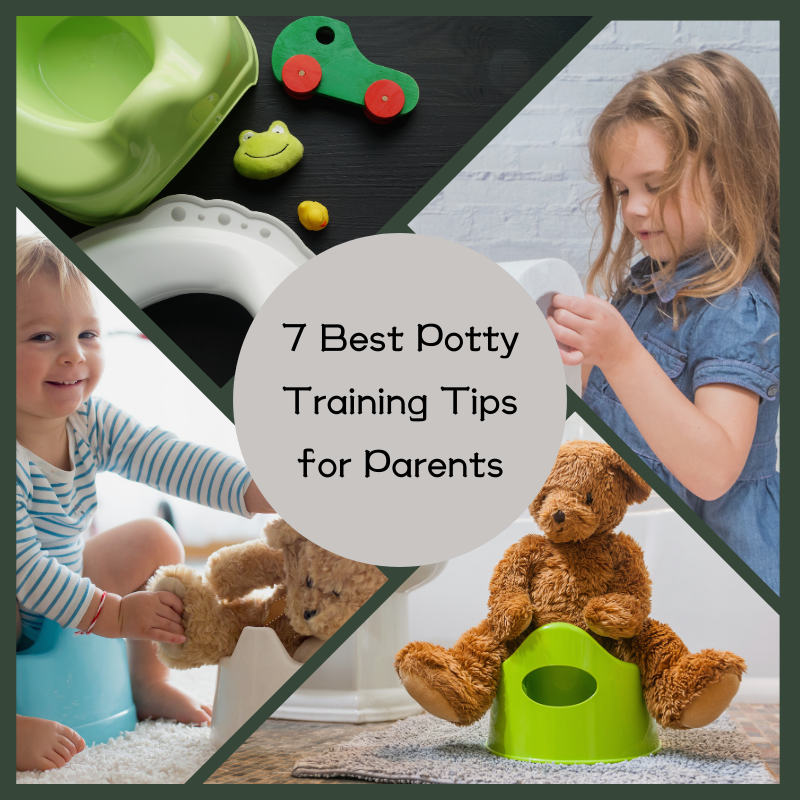
7 Best Potty Training Tips for Parents
- Be a positive example – when they follow you into the loo (happens just about all the time) talk to them about it and use words like potty, pee, or poop.
- Be on the lookout for their cues – pay attention to how they behave when it looks like they want to do number 1 or 2. If you notice grunting sounds or a red face, try to get them to the potty quickly.
- If you’re using a potty or a potty seat, place it in the bathroom, for them to get used to it. Let them practice to sit on it and offer a toy – make it a more fun experience, something they eventually want to do on their own.
- Make a note of the times they do number 1 and 2 during the day, then start a routine where your little one use the potty during those times, particularly after having a drink or meal.
- Put them in clothing that makes it easy to pull down or up by themselves.
- Teach them to wipe the correct way, from front to back and proper hygiene – wash their hands afterwards. For boys it’s easier to sit down while peeing at first.
- Always give praise, a great way to keep them motivated, and don’t be too harsh on them if “accidents” happen. A positive attitude can take you a long way towards potty training success!
Potty Training Success – The Importance of Being Patient
- Never force the issue – remain patient. Using the potty must be a want-to, rather than a have-to exercise.
- Keep in mind that they might still have an accident, just when you think he or she nailed it. You might feel frustrated, but punishment is not the way to go. Instead of bringing you closer to your goal, it might just set you back further. Rather think about a way you can try next time to make it a better experience.
- Forget about making potty training a power struggle because the more you force the issue, the more they will resist. You don’t want him or her feeling anxious and stressed about it because it will give them a negative perception of the whole exercise, instead of a positive one.
- This goes for all milestones – never compare your child’s progress to those of other kids. Every child is unique and reach milestones when they are ready and in their own time. The right way for another parent, is not necessarily the right way for you and your child.

Potty Training During Naps and Nighttime
Once your toddler is using the potty on their own, you have cause for celebration, however, staying dry during nap or sleep time, is not as easy. It might take a few months or even years before their bodies are mature enough to reach the point where they wake up when they need to use the toilet.
Don’t be too hung up on it – place clear wrap or a protective cover on the mattress and keep using nappies or nappy pants overnight while he or she grows. But if you notice him or her still wetting their bed when they’ve reached school age, you might want to talk to your doctor, just in case there is an underlying medical or emotional reason for the issue.
Final Thoughts
Thanks for reading my post about potty training tips for parents. Good luck for the next transition in your child’s development stage, and remember to be patient.
Do you have any tips that you would like to share with other parents?
Feel free to share them in the comments.



Be the first to reply