

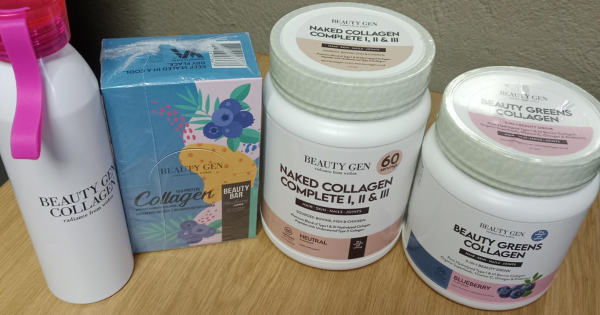
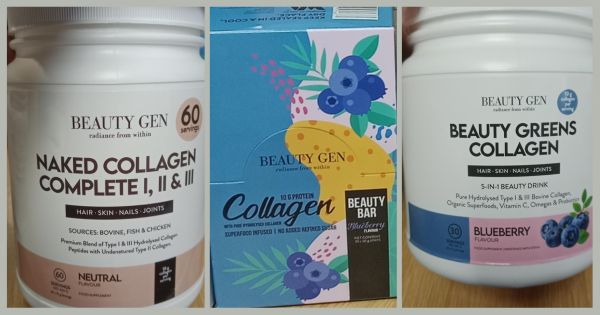
What are the health benefits of collagen? I’ve heard about collagen supplements before, but I have to admit, I wasn’t sure of the exact benefits linked to taking collagen supplements. I thought that it’s good for skin, hair, and nails, but what else? I was very lucky to win a hamper with collagen supplements and collagen beauty bars a while ago when entering a competition on Instagram, hosted by Wellness Warehouse and Beauty Gen. Today, I’ll be sharing more information about collagen and how it can benefit you.
What is Collagen?
Your body is made up of about 30% of collagen, which is essentially a protein that is produced by your body. This protein is essential for healthy muscles, skin, joints, and bones and is the primary component of connective tissues found in many body parts, such as, ligaments, skin, muscles, tendons, and bones. Another downside of aging is that your body’s ability to produce collagen starts to decline. The collagen contained in your body starts to break down, so it might be the perfect time to consider taking collagen supplements.

Getting older is not for sissies, especially if you’re approaching the 50-mark like me, and you’re going through perimenopause. You can include certain foods in your diet like bone broth and pork to boost your body’s ability to make collagen, but supplements have gained popularity, especially since most of them are hydrolyzed, meaning the collagen is broken down and easier absorbed. Most supplements are in powder form, but you can also buy capsules. Before buying supplements, make sure you are buying one that are most beneficial because most contain two types of collagens, while other may have up to five.
Related: Unveiling Beauty Secrets: 5 Best Essential Oils for Healthy Skin
5 Health Benefits of Collagen
The primary role of collagen is to strengthen body support and offer structure, and the specific roles include:
- Promoting blood clotting
- Replenish dead skin cells
- Forming a protective layer for organs
- Assisting fibroblast formation in your middle skin layer (dermis) which promotes cell growth
- Providing strength, elasticity, and structure to the skin
What Are the Different Types of Collagens?
There are 28 identified collagen types, but they are not all the same. It all depends on how the molecules are gathered, how cell components are added and in how it is utilized in the body.
The main five collagen types are:
- Type I – about 90% of the collagen content in your body (providing structure to bones, skin, ligaments and bones)
- Type II – located in elastic cartilage that offer joint support
- Type III – found in organs, muscles and arteries
- Type IV – located in skin layers
- Type V – found in hair and placenta tissue, eye corneas, and certain skin layers
What Happens When You Age?
As you get older, your body doesn’t produce the same amount of collagen and the collagen already in your body breaks down at a faster pace. The collagen is also of lesser quality, compared to when you were younger. Women that have already gone through menopause will see a substantial decline in collagen production, especially after 60.

How Do You Know Your Body’s Collagen Levels Are Decreasing?
There aren’t any tests like blood tests that you can undergo to measure collagen, but there are certain symptoms and signs that you’ll notice:
- Wrinkly, crepey or sagging skin
- Muscle aches and weakening muscles
- Mobility loss due to joint stiffness or damage
- Blood flow issues
- Signs of hallowing around the face and eyes
- Less flexible ligaments and tendons
- Osteoarthritis or joint pain as a result of worn cartilage
- Gastrointestinal issues because of thinning of the digestive tract lining
What Can You Do to Enhance Skin Collagen Loss and to Slow Down the Signs of Aging?
- It helps to wear a good sunscreen with an SPF of 30+ every day
- Limit exposure to UV light
- Wear clothing or accessories like sunglasses, wide-brim hats and Summer-friendly, light clothing while you’re exposed to the sun
- Stay away from tanning beds
- Follow a well-balanced eating plan with loads of veggies, fruits, beans, nuts, whole grains and a moderate amount of eggs, dairy, seafood, poultry, and seafood
Which Lifestyle Habits are Damaging Collagen?
- Too much refined carbs and sugar in your diet
- Smoking
- Too much exposure to UV light
Final Thoughts
Collagen is vital for offering support, structure, and strength to the body. The health benefits of collagen supplements are still debatable, as more scientific evidence is needed. You can promote collagen production by eating a well-balanced diet with leafy greens, beef, beans, eggs, citrus fruits, veggies, and fish. Also, try to wear sunscreen every day, limit UV light exposure, and try to quit smoking.



Be the first to reply